Timeline of a Political Career
Two decades of democratic engagement, reform-driven governance, and principled leadership.
Election Victory & Legal Battle
Peter Obi contested the Anambra State governorship election in 2003 under the All Progressives Grand Alliance (APGA). Although initially declared the loser, he challenged the results in court. After a protracted legal battle lasting nearly three years, the Court of Appeal and ultimately the Supreme Court declared him the rightful winner — a landmark ruling in Nigerian electoral history.
Assumption of Office
Following the Supreme Court's verdict, Peter Obi was sworn in as Governor of Anambra State in March 2006. He immediately set about reforming the state's finances, education system, and infrastructure — inheriting a state riddled with debt and instability.
Impeachment & Reinstatement
In November 2006, the Anambra State House of Assembly controversially impeached Obi. However, the impeachment was declared illegal and unconstitutional by the courts. Obi was reinstated, demonstrating his commitment to the rule of law and constitutional governance.
First Tenure Achievements
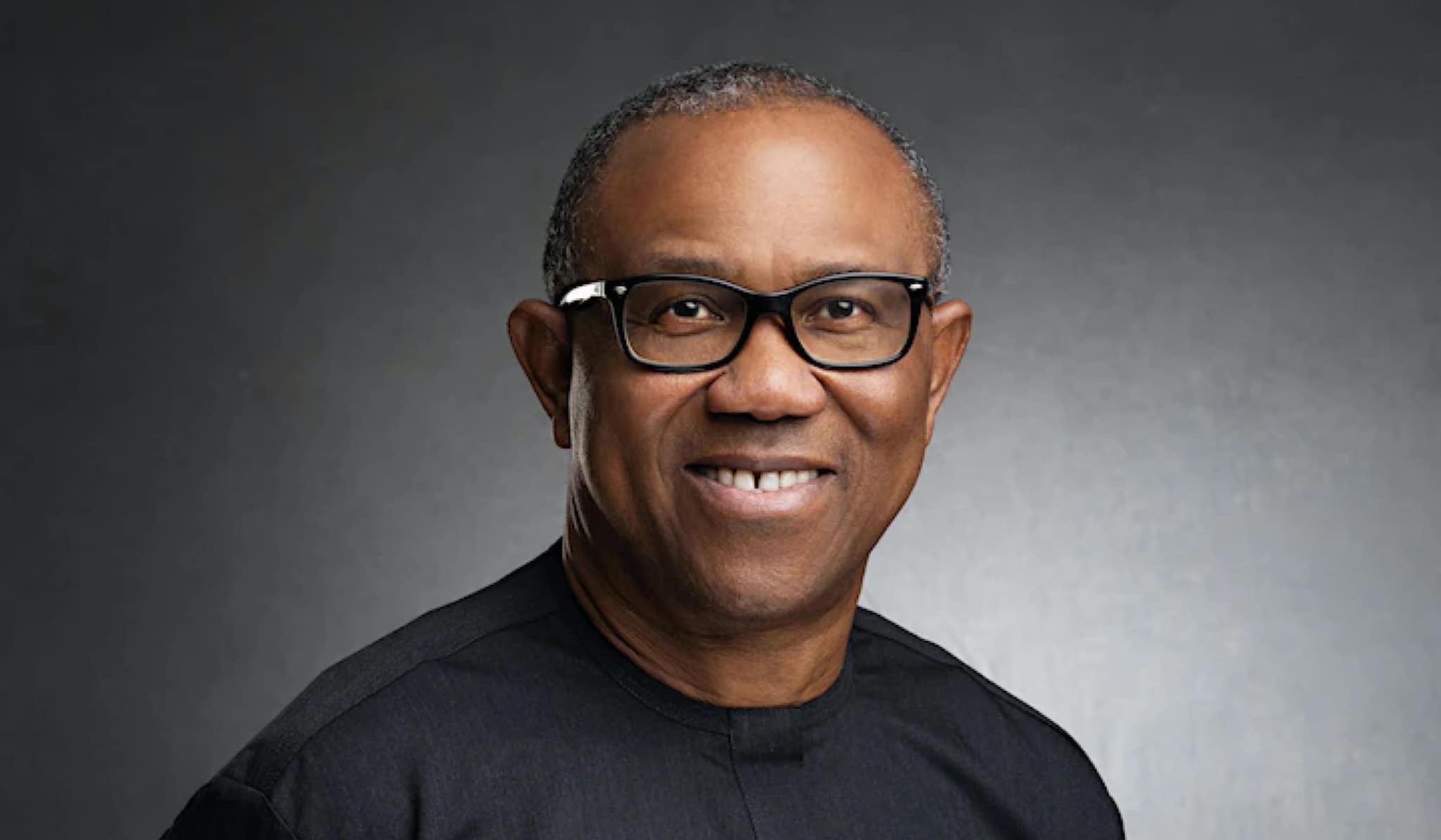
During his first tenure, Obi transformed Anambra's fiscal landscape. He cleared inherited debts, invested in education and healthcare, and established a reputation for prudent financial management. Anambra became a model for fiscal discipline in Nigeria.
Second Tenure & Legacy
Obi won re-election and continued his reform agenda. He left ₦75 billion in the treasury, invested heavily in road infrastructure, renovated over 500 schools, and attracted significant investment to the state. His handover to his successor, Willie Obiano, was celebrated as one of the most transparent transitions in Nigerian political history.
Vice Presidential Candidacy
Peter Obi was selected as the vice presidential candidate of the Peoples Democratic Party (PDP) alongside Atiku Abubakar. Though the ticket did not win, Obi's performance on the national stage elevated his profile as a credible, data-driven, and reform-oriented leader.
Presidential Campaign & The Obidient Movement
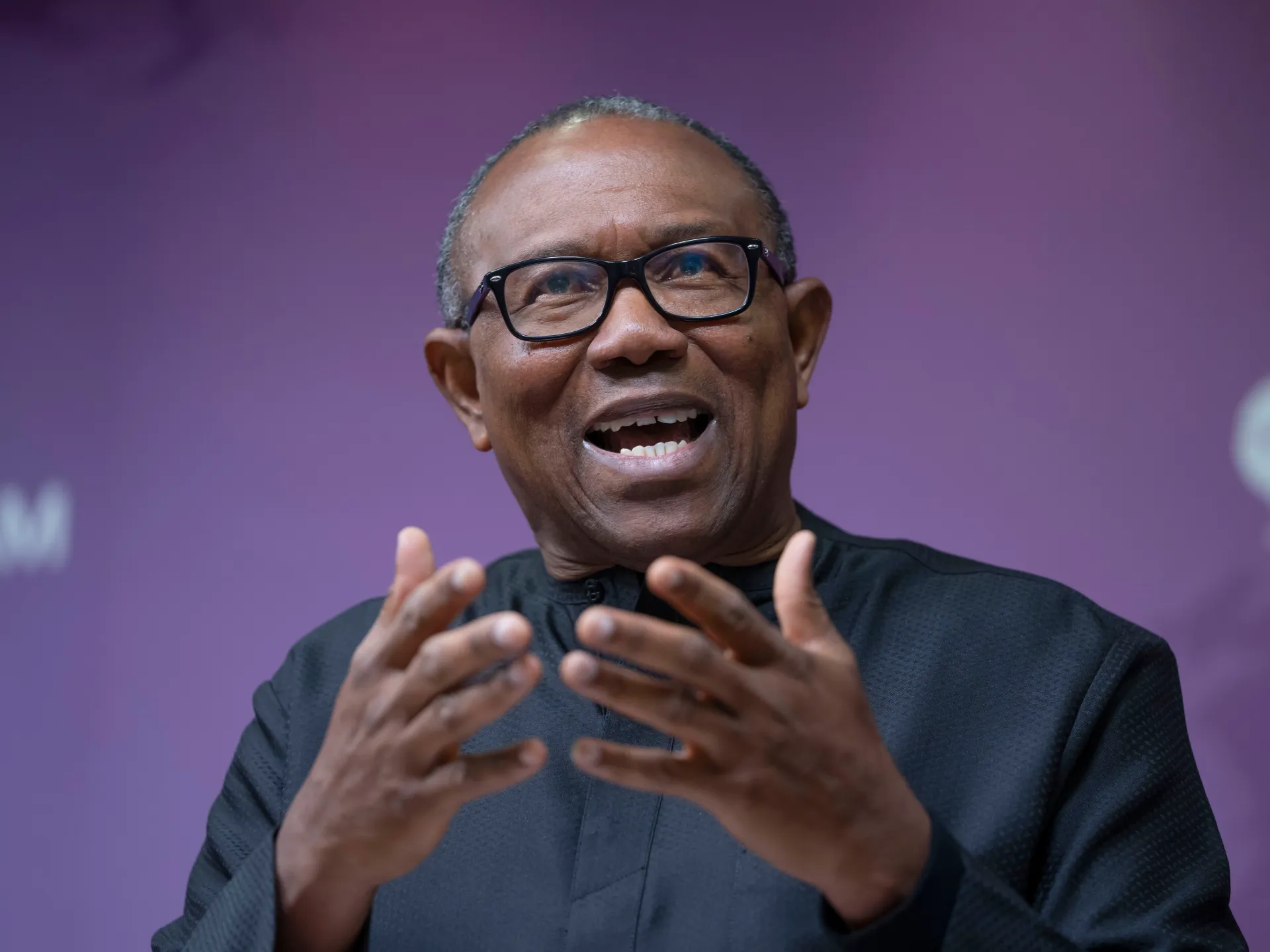
In 2022, Obi joined the Labour Party and launched his presidential campaign. What followed was unprecedented — a massive youth-led movement known as "Obidients" swept across Nigeria and the diaspora. Obi won Lagos State (a first for a non-APC candidate) and placed third nationally with over 6 million votes, fundamentally reshaping Nigerian political discourse.